English
×
LED Grow Light
200w Led Grow Light
400w Led Grow Light
600w Led Grow Light
800w Led Grow Light
1000w Led Grow Light

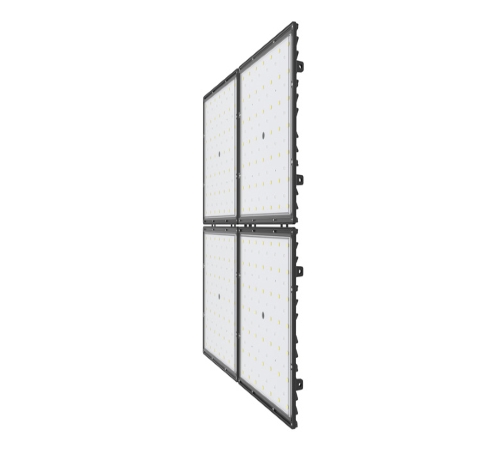
When it comes to indoor gardening, choosing the right grow light is essential for successful plant growth. The 200 watt grow light, such as the one offered by Feton, provides the ideal lighting conditions for various types of plants, from herbs to flowers. These full-spectrum lights mimic natural sunlight, ensuring that your plants receive the right light intensity and spectrum throughout their growth cycle. In this article, we'll explore the top plants that thrive under a 200 watt grow light and how you can maximize your indoor garden's potential.
A 200 watt grow light is perfect for indoor gardens because it delivers ample light to support plant growth without the excessive heat that can harm delicate plants. The full-spectrum lighting produced by a 200 watt grow light ensures that plants receive a balanced combination of red, blue, and white light, which is essential for photosynthesis and healthy plant development. For seedlings, the gentle intensity of the light helps stimulate strong root development, while during the flowering phase, the light encourages blossoming and fruiting. By providing the right light conditions at every stage, the 200 watt grow light helps plants thrive indoors, even when natural sunlight is limited.
Herbs are some of the most popular plants to grow indoors, and they thrive under a 200 watt grow light. Many herbs, such as basil, cilantro, mint, and parsley, require full-spectrum light to grow efficiently. The 200 watt grow light provides the necessary intensity for herbs to develop strong stems and leaves while promoting healthy foliage production. These plants don't require high light levels like some larger plants, so a 200 watt light is sufficient to support their growth. With the right light, herbs can flourish year-round, providing fresh, flavorful additions to your meals. The ability to grow herbs indoors with a 200 watt grow light also means that you can have access to fresh herbs no matter the season.
Flowering plants such as orchids, geraniums, and petunias also benefit greatly from a 200 watt grow light. These plants typically require more intense light during their flowering phase, and the full-spectrum lighting provided by a 200 watt grow light helps encourage the development of vibrant, colorful blooms. The balance of red light is especially important for promoting flowering, as it stimulates the plant's natural reproductive processes. Whether you are growing flowers for their beauty or for cut arrangements, a 200 watt grow light offers the right conditions to bring out the best in your blooms. Additionally, the energy-efficient LED technology ensures that your flowers get the light they need without the heat that can damage delicate petals.
In addition to herbs and flowers, many leafy greens and vegetables can thrive under a 200 watt grow light. Lettuce, spinach, kale, and other leafy greens require consistent, balanced light to produce healthy, crisp leaves. The blue spectrum provided by a 200 watt grow light is ideal for these types of plants, as it promotes strong, lush foliage growth. For vegetables like tomatoes and peppers, the red light in a 200 watt grow light encourages the plant to focus on fruiting and flowering. This allows you to grow a variety of vegetables indoors with the right amount of light, ensuring that they grow quickly and remain healthy. With the correct setup, you can easily cultivate an indoor vegetable garden with a 200 watt grow light, making it perfect for small spaces like apartments.
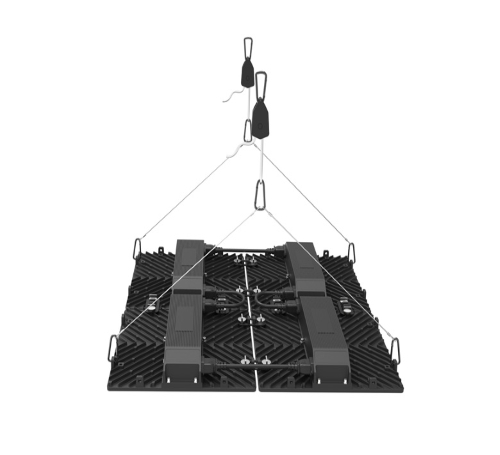
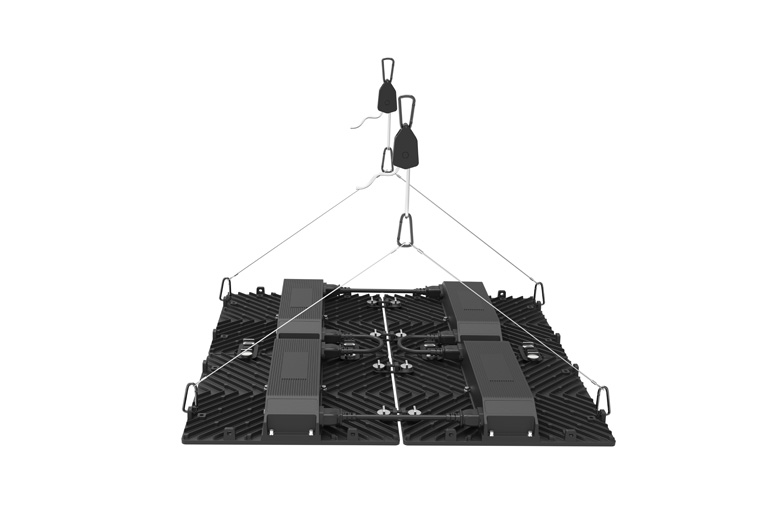
To get the most out of your 200 watt grow light, it's important to consider the distance between the light and your plants. Keeping the grow light at the right distance ensures that the plants receive the appropriate light intensity without being scorched by too much heat. For most plants, the 200 watt grow light should be placed about 12-24 inches above the plant canopy. Additionally, it's essential to adjust the light cycle to mimic the natural day-night cycle. Typically, most plants need 12-16 hours of light per day for optimal growth. By maintaining the right light distance and cycle, you can encourage healthy, vigorous growth and maximize the potential of your indoor garden.
References: