English
×
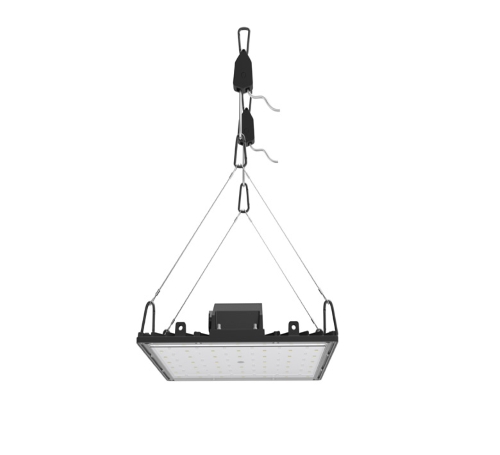
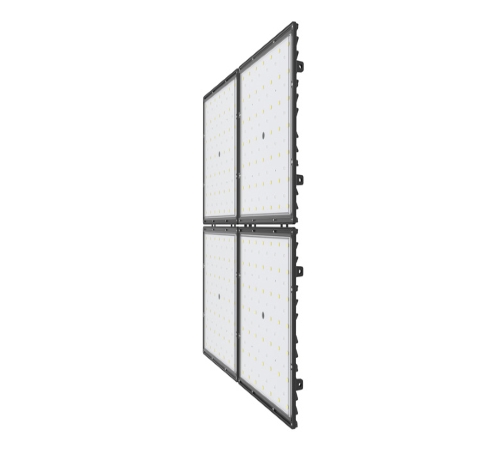
LED Grow Light
200w Led Grow Light
400w Led Grow Light
600w Led Grow Light
800w Led Grow Light
1000w Led Grow Light

Antibacterial LED bulbs have revolutionized the way we think about lighting. These bulbs do more than simply illuminate a space—they actively contribute to maintaining hygiene and preventing the spread of bacteria and viruses. The growing concern for health and safety has made antibacterial lighting an essential choice in various environments. From kitchens to hospitals, these bulbs are becoming a necessary tool in the fight against germs. In this article, we will explore the best places to use antibacterial LED bulbs and how they enhance the cleanliness and safety of different spaces.
The kitchen is one of the most important areas to maintain cleanliness. It is where food is prepared and consumed, and ensuring that the space is free from harmful bacteria is essential for health. Antibacterial LED bulbs are perfect for use in kitchens as they help reduce the risk of contamination. These bulbs can actively inhibit the growth of bacteria, mold, and other pathogens on kitchen surfaces, making them an ideal addition to areas like countertops, sinks, and storage spaces. By integrating antibacterial LED bulbs into your kitchen lighting, you can reduce the spread of germs that commonly thrive in food preparation areas, helping to ensure a safer environment for cooking and eating.
Hospitals, clinics, and other healthcare settings are places where cleanliness is paramount. The constant presence of vulnerable individuals makes it crucial to minimize the risk of infections and the spread of harmful bacteria. Antibacterial LED bulbs are an excellent solution for these environments. Hospitals can install these bulbs in patient rooms, waiting areas, operating theaters, and hallways to prevent the accumulation of bacteria and viruses. The technology embedded in these bulbs not only enhances the overall hygiene of the space but also contributes to a cleaner and safer environment for both patients and healthcare professionals. By reducing airborne bacteria and microbes, antibacterial LED bulbs help maintain a higher standard of cleanliness and health.
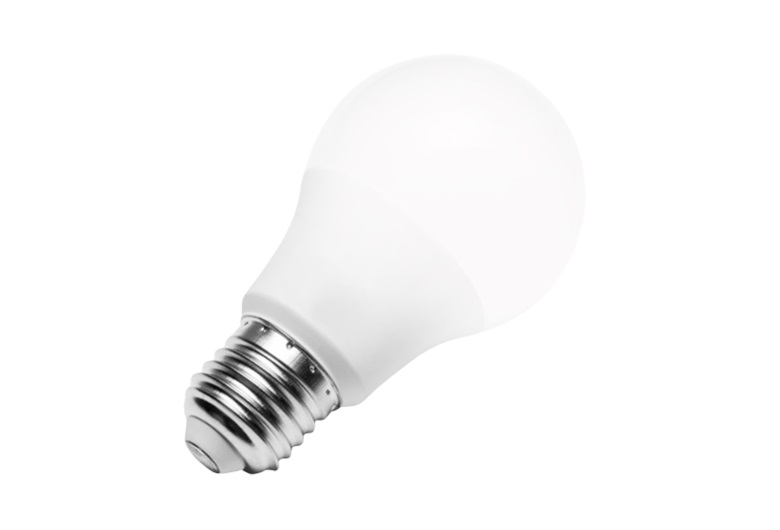
Offices and commercial spaces often have high foot traffic and can be breeding grounds for bacteria and viruses. Common areas, like restrooms, break rooms, and corridors, are high-risk zones for the spread of germs. Installing antibacterial LED bulbs in these spaces can significantly reduce the presence of harmful microorganisms. These bulbs are particularly effective in areas where frequent touchpoints are common, such as door handles, light switches, and shared equipment. By using antibacterial LED bulbs in these environments, businesses can create a healthier workspace for employees and customers, promoting better overall well-being and productivity.
Schools are bustling environments where students and staff are often in close proximity, making them ideal environments for the spread of germs. The installation of antibacterial LED bulbs in classrooms, hallways, and common areas can provide an added layer of protection against harmful pathogens. These bulbs can help reduce the transmission of viruses, bacteria, and other germs that commonly circulate in educational settings. By incorporating antibacterial LED bulbs into the lighting system, schools can improve the overall cleanliness of their facilities and contribute to a healthier learning environment. This is especially important during flu season or when dealing with other infectious outbreaks.
Public spaces, such as airports, shopping malls, and public transportation, often experience a high level of human traffic. These areas are constantly exposed to germs, making it essential to maintain cleanliness to protect public health. Antibacterial LED bulbs are an effective solution for reducing the spread of bacteria in these crowded environments. Airports, train stations, and buses are ideal places to install these bulbs as they help to keep high-traffic areas sanitized without requiring constant manual cleaning. Antibacterial LED bulbs provide continuous protection against harmful microorganisms, helping to improve hygiene in public spaces and ensuring the safety of travelers and commuters alike.
When comparing antibacterial LED bulbs to traditional bulbs, several key differences emerge. Traditional bulbs, while functional for lighting, do not offer any health benefits in terms of bacteria control. In contrast, antibacterial LED bulbs are designed with specialized coatings or technology that actively fight against the growth of bacteria and viruses. Below is a comparison table outlining the benefits of antibacterial LED bulbs over conventional lighting solutions:
Feature | Antibacterial LED Bulbs | Traditional Bulbs |
Antibacterial Function | Reduces bacterial growth and pathogens | No antibacterial properties |
Lifespan | Longer lifespan (up to 50,000 hours) | Shorter lifespan (typically 1,000-2,000 hours) |
Energy Efficiency | Highly energy-efficient | Less energy-efficient, higher energy consumption |
Safety | Reduces the spread of germs and viruses | No effect on health or hygiene |
Applications | Ideal for hospitals, kitchens, offices, schools, public spaces | General lighting purposes only |
Antibacterial LED bulbs offer a practical and efficient solution for maintaining cleaner and safer environments. Whether it's in the kitchen, healthcare facilities, offices, schools, or public spaces, these bulbs help reduce the spread of harmful bacteria and viruses, making them an essential addition to any space where cleanliness is a priority. With their energy efficiency, long lifespan, and health benefits, antibacterial LED bulbs represent the future of hygienic lighting solutions.
References:
Centers for Disease Control and Prevention (CDC) - Infection Control
World Health Organization (WHO) - Infection Prevention and Control